


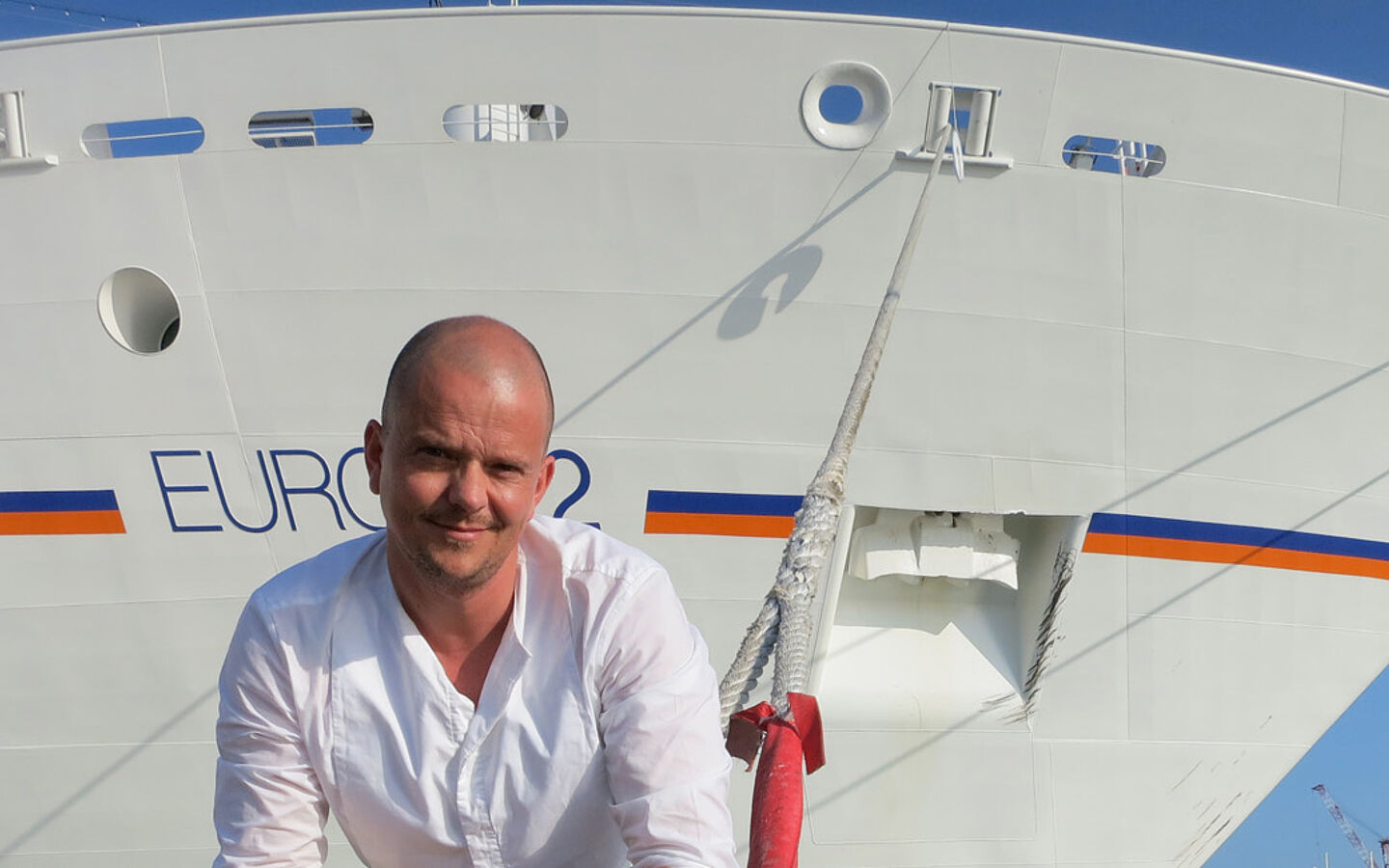
The plight of the so-called "luxury liners" - and two key figures as a solution
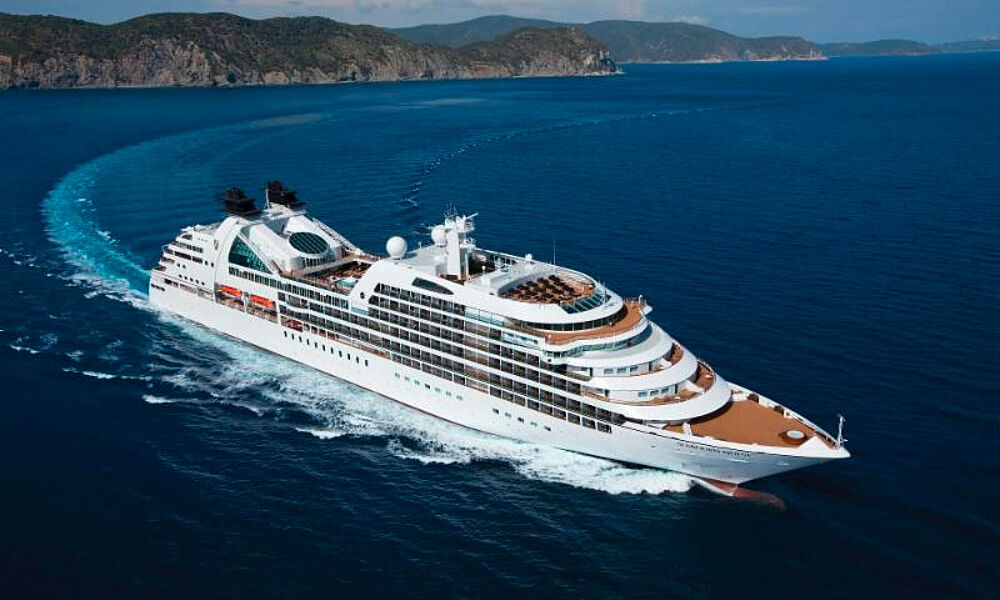
It's strange, no one would think of calling a normal 3-star hotel a "luxury hostel" - and if a hotelier dared to do so anyway, there would be a lot of anger. But as soon as such an "overnight accommodation" is not on land but on the water, the L-word seems to be a matter of course - and nobody gets upset.
If you search the internet for "new luxury liners", for example, all eleven cruise ships that will set sail for the first time in 2016 are listed as a matter of course. However, only three of them can sail in the luxury class ("Seven Seas Explorer", "Seabourn Encore" and "Viking Sea"). All the others - from A for Aida Prima to C for Carnival Vista - may be equipped with the odd crystal chandelier and serve free peanuts at the on-board bar, but they do not offer the kind of luxury that the spoiled traveler knows, appreciates and expects.
And how can you recognize true luxury before booking, given that there is still no officially binding star categorization for cruise ships?
Two key figures have proven their worth: The Passenger Space Ratio (PSR) indicates the average amount of space available to each guest on board. It is calculated by dividing the gross tonnage of the ship by the maximum number of passengers permitted. The Costa Diadema, Costa Crociere's new flagship, has a PSR of just 27, while the current TV dream ship, the MS Amadea, already has a PSR of 48. And the Silver Spirit is really spacious - and luxurious - with a PSR of 66.
The second indicator is the Passenger Crew Ratio (PCR). It measures the ratio of passengers to crew members. On the SeaDream 1, this value is 1.2 - which means that there is almost one crew member for every guest. The situation is quite different on the Aida luna with a PSR of 3.3 ...
Our tip: before booking, don't just look at the glossy brochure, but also reach for the calculator - and not just because of the prices!


![[Translate to en:]](/fileadmin/_processed_/0/3/csm_Karibik_Kachel_Website_bd14d92320.png "[Translate to en:]")
![[Translate to en:]](/fileadmin/_processed_/d/c/csm_csm_Burj_Khalifa_6aa4204cda_c60dbba775.png "[Translate to en:]")

![[Translate to en:]](/fileadmin/_processed_/5/6/csm_2_prb23_0733_web_230fecf93e.jpg "[Translate to en:]")












































![[Translate to en:]](/fileadmin/_processed_/0/3/csm_Karibik_Kachel_Website_4fa96af5ad.png "[Translate to en:]")
![[Translate to en:]](/fileadmin/_processed_/d/c/csm_csm_Burj_Khalifa_6aa4204cda_6e24649320.png "[Translate to en:]")
![[Translate to en:]](/fileadmin/_processed_/5/6/csm_2_prb23_0733_web_8dbd0bd4df.jpg "[Translate to en:]")