


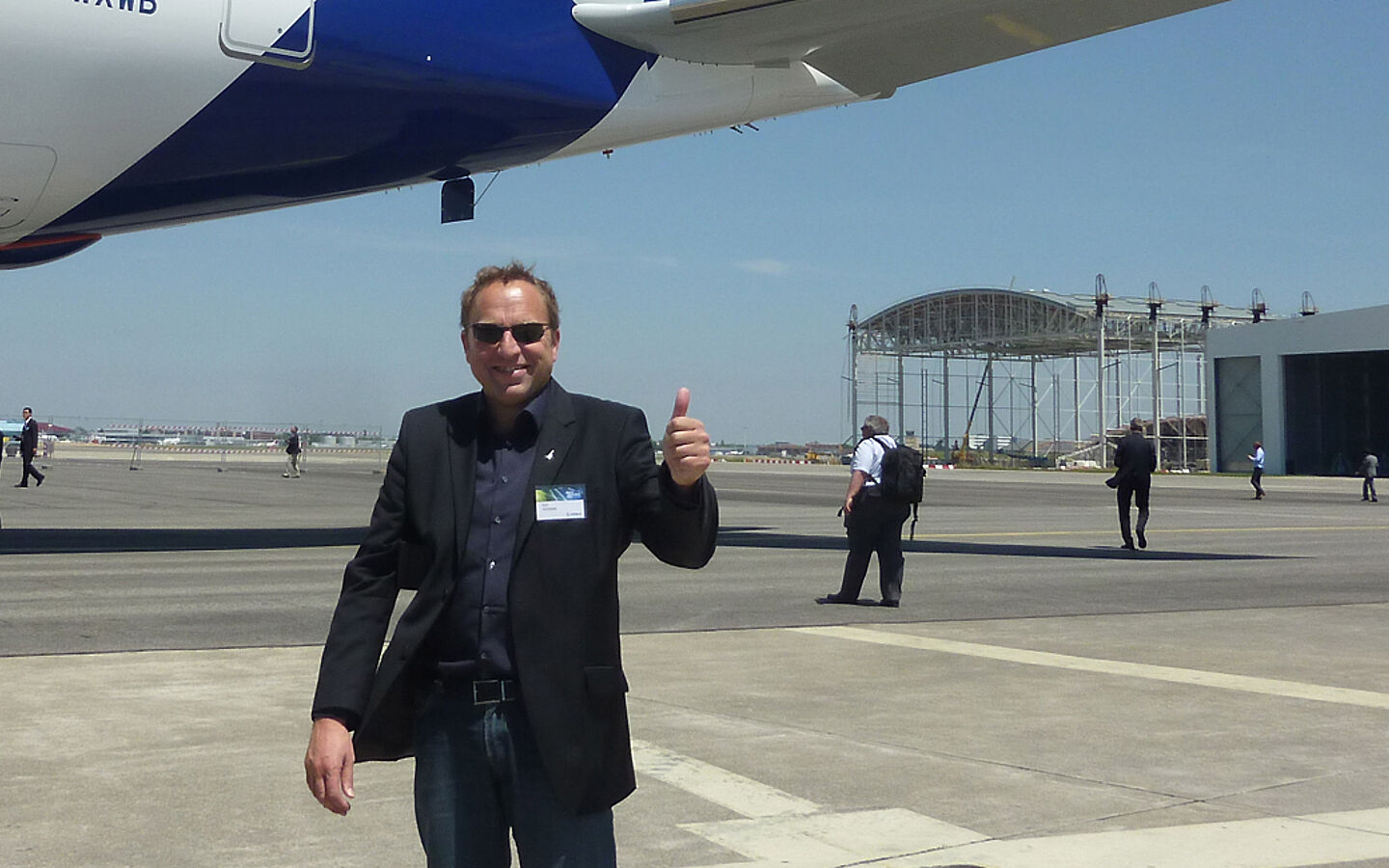
20 years of Star Alliance
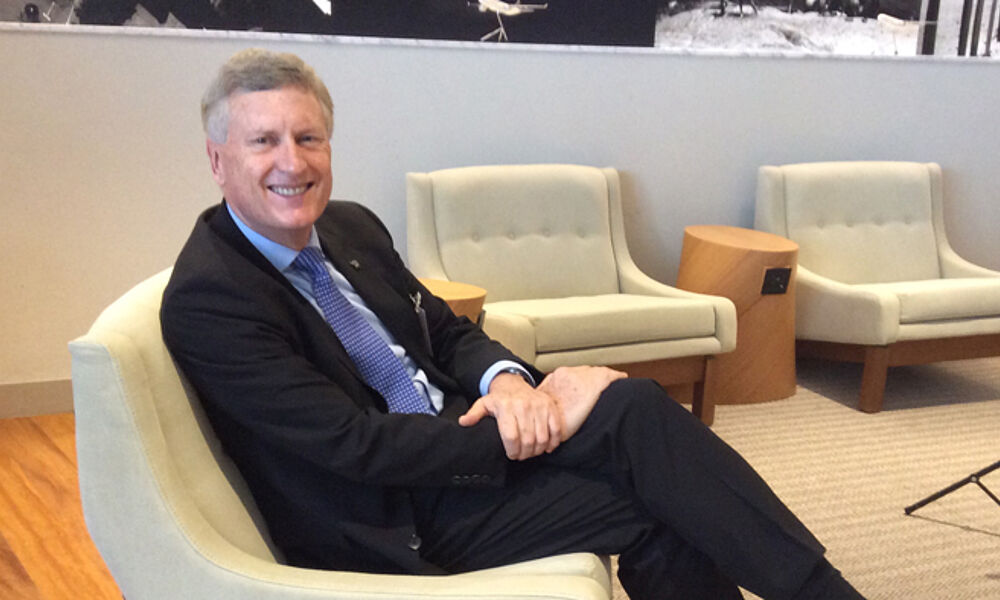

Marc Schwab in an interview with airline connoisseur Kurt Hofmann
Mark Schwab was CEO of the world's largest airline alliance, Star Alliance, for five years. In an exclusive Connoisseur Circle interview in Rio de Janeiro, Schwab explains the enormous changes that alliances will face in the future and their raison d'être. Star Alliance has now been in existence for two decades. Incidentally, Lufthansa was one of the founding members.
CC: Star Alliance currently has 28 members and will soon be celebrating its 20th anniversary. The aviation industry is undergoing drastic changes. How important are airline alliances today?
Marc Schwab: The key reason for the creation of the Star Alliance almost 20 years ago has not changed. Mergers, i.e. takeovers between airlines, are still on a slow path to becoming a reality, although I believe that one day they will be established - although we are still a long way off. Star Alliance offers a global network with access to more than 1,300 destinations and remains as important as ever. This is a key factor, keeping alliances vibrant and relevant. Our global Star Alliance network is very comprehensive and has only a few regional gaps. Over the last two years, we have shifted our focus from adding new member airlines to improving our experience. As a result, our conversations have changed from filling the last white spaces in the network to intelligently connecting our IT systems.
So digitalization is the next level of airline alliances?
Digitalization means not only connecting reservation systems such as Amadeus or Sabre, but also ensuring connectivity with many different airports. We are working on ways to deliver this information, across all your different systems, to the fingertips of our Alliance customers on their smartphones, tablets, etc. This is our goal and focus. This is our goal and focus. Digitization will undoubtedly be the next stage of Alliance development.
But doesn't every airline create its own form of digitalization?
This is where the alliance has an important role to play. Nobody wants to download 100 airport or airline apps on their smartphone. When surfing the airline website of a member airline, our customers want to be able to access all Star Alliance-relevant information, including that of other airlines. Our job is to create and ensure this connectivity in the background so that airlines can bring their information to the customer. We have a team of experts consisting of specialists from our airlines as well as people with external expertise working on this project.
Does Star Alliance still need more member airlines?
The main reason for an airline to join an alliance is to connect its network with like-minded airlines, which brings immediate revenue and marketing opportunities. In today's airline industry environment, this requires different solutions in different markets.
In which parts of the world is there a lack of Star Alliance members?
There are a few regions that warrant a closer look. Brazil and Russia. Russia is undergoing a change in their air transportation structure. Currently there is no convincing candidate for Star Alliance. Our member airlines offer good access from their destinations to destinations in Russia, but there is a lack of connectivity for domestic flights. We are in active discussions in Brazil (with Azul). However, the country is going through one of the most difficult economic crises I have ever seen. So I fully understand that Azul has set its priorities to deal with this situation. I would have liked to have resolved this during my term of office (Azul membership, note), but I understand its reality. After all, it also takes considerable effort and resources for an airline to
join an alliance.





![[Translate to en:]](/fileadmin/_processed_/0/3/csm_Karibik_Kachel_Website_bd14d92320.png "[Translate to en:]")
![[Translate to en:]](/fileadmin/_processed_/d/c/csm_csm_Burj_Khalifa_6aa4204cda_c60dbba775.png "[Translate to en:]")

![[Translate to en:]](/fileadmin/_processed_/5/6/csm_2_prb23_0733_web_230fecf93e.jpg "[Translate to en:]")

















































![[Translate to en:]](/fileadmin/_processed_/0/3/csm_Karibik_Kachel_Website_4fa96af5ad.png "[Translate to en:]")
![[Translate to en:]](/fileadmin/_processed_/d/c/csm_csm_Burj_Khalifa_6aa4204cda_6e24649320.png "[Translate to en:]")

![[Translate to en:]](/fileadmin/_processed_/5/6/csm_2_prb23_0733_web_8dbd0bd4df.jpg "[Translate to en:]")