


Still programmed to climb
Flight volumes are particularly high in the summer months and European aviation systems are working at full speed. This is particularly evident in these weeks during the peak season.
Growth will be driven by the near doubling of the global middle class population. In 2017 alone, 60 million more tourists traveled worldwide than in the previous year. Low-cost airlines recorded very strong growth.
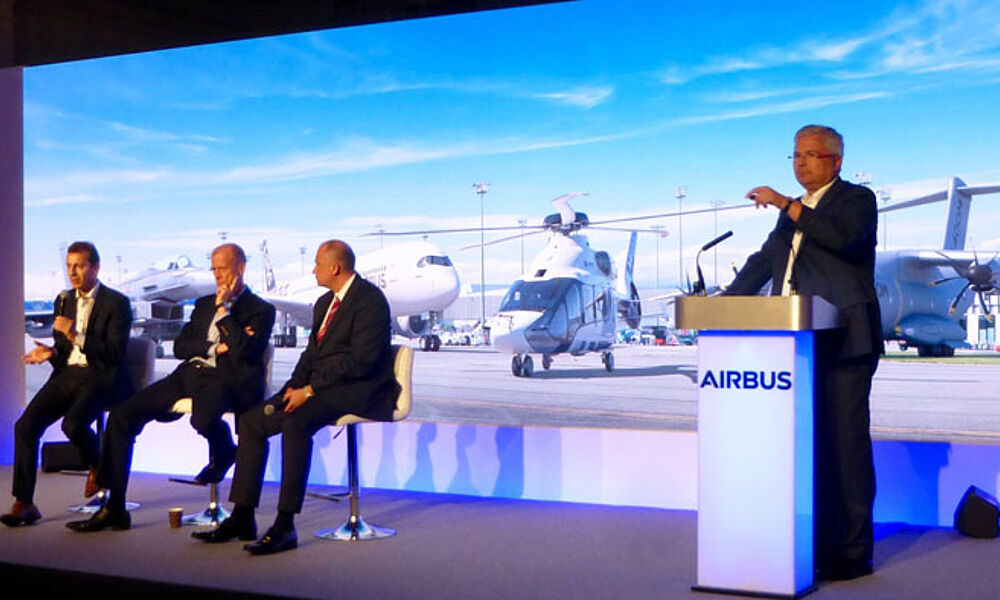
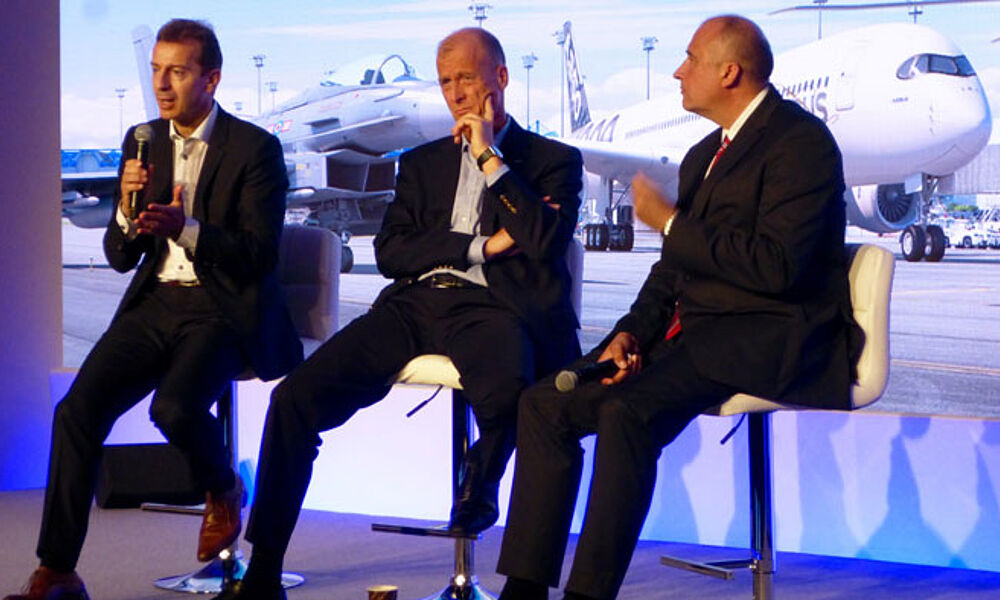
Connoisseur Circle was invited to an exclusive meeting with the top management of Airbus in London. Airbus sees a need for almost 37,400 new aircraft worth 5.8 trillion US dollars over the next 20 years. In its latest Global Market Forecast (GMF) for the period 2018-2037, Airbus predicts that the global fleet of passenger aircraft will more than double over the next 20 years and exceed 48,000 aircraft. The volume of traffic will increase by a robust 4.4 percent annually over this period, creating demand for 37,390 new passenger and cargo aircraft.
Growth will be driven by a 2.4-fold increase in private consumption in emerging markets, higher disposable incomes and a near doubling of the middle class worldwide. Emerging markets will contribute more than 60 percent to economic growth, with the number of trips per capita in these countries increasing by a factor of 2.5. In conjunction with the evolving business models of airlines and ongoing liberalization, the growing volume of air travel will lead to increasing resilience to regional economic downturns.
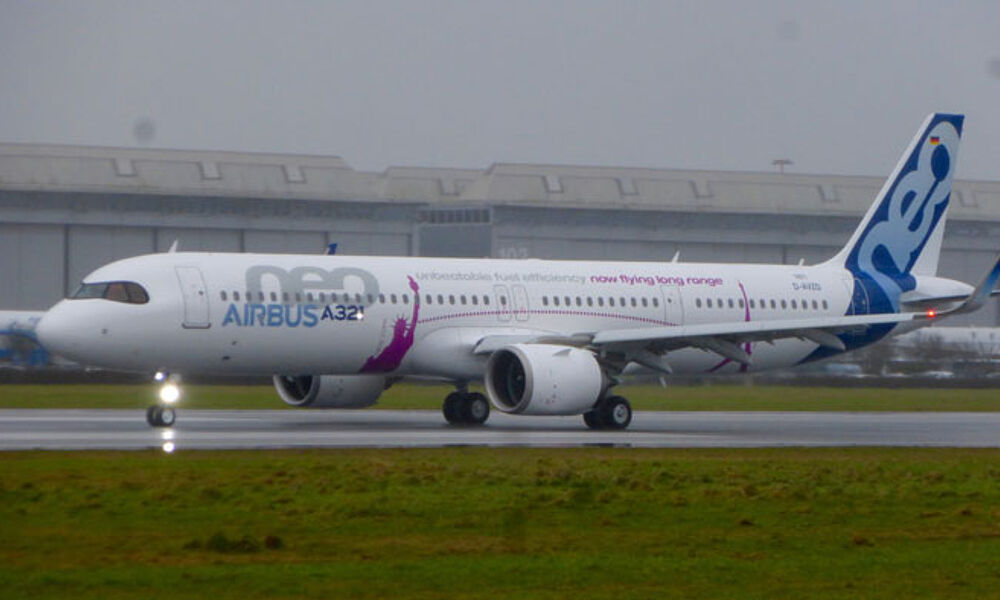
The greater range and capacity of aircraft due to technological developments offer airlines the flexibility to tap into new business opportunities while further reducing costs. "The trend is increasingly moving towards using aircraft for a wider range of operations. Today's more capable aircraft are increasingly blurring the boundaries between market segments," said Eric Schulz, Airbus Chief Commercial Officer. "Thanks to the versatility of our leading and most comprehensive aircraft family, our single-aisle product, the A321neo, can efficiently serve long-haul routes, while our wide-body aircraft such as the A330neo can also be used for regional services, to name just two examples."
Of the 37,390 new aircraft, 26,540 will be needed for growth, while 10,850 aircraft will replace less efficient older generation models. The increase in the global fleet to 48,000 aircraft will lead to a need for 540,000 new pilots.





![[Translate to en:]](/fileadmin/_processed_/0/3/csm_Karibik_Kachel_Website_bd14d92320.png "[Translate to en:]")
![[Translate to en:]](/fileadmin/_processed_/d/c/csm_csm_Burj_Khalifa_6aa4204cda_c60dbba775.png "[Translate to en:]")

![[Translate to en:]](/fileadmin/_processed_/5/6/csm_2_prb23_0733_web_230fecf93e.jpg "[Translate to en:]")

















































![[Translate to en:]](/fileadmin/_processed_/0/3/csm_Karibik_Kachel_Website_4fa96af5ad.png "[Translate to en:]")
![[Translate to en:]](/fileadmin/_processed_/d/c/csm_csm_Burj_Khalifa_6aa4204cda_6e24649320.png "[Translate to en:]")

![[Translate to en:]](/fileadmin/_processed_/5/6/csm_2_prb23_0733_web_8dbd0bd4df.jpg "[Translate to en:]")