


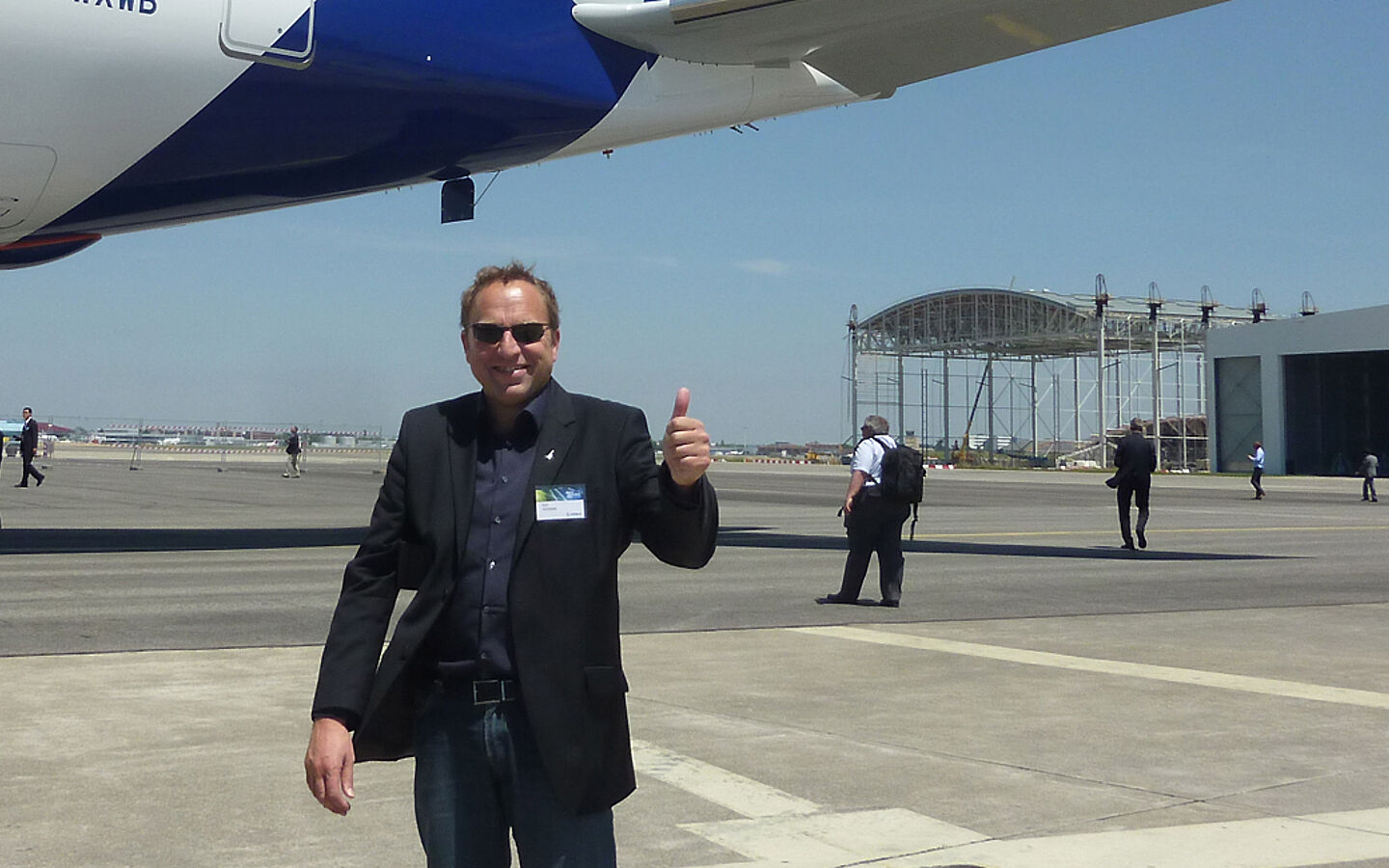
VISIONARIES OF AFRICAN AVIATION
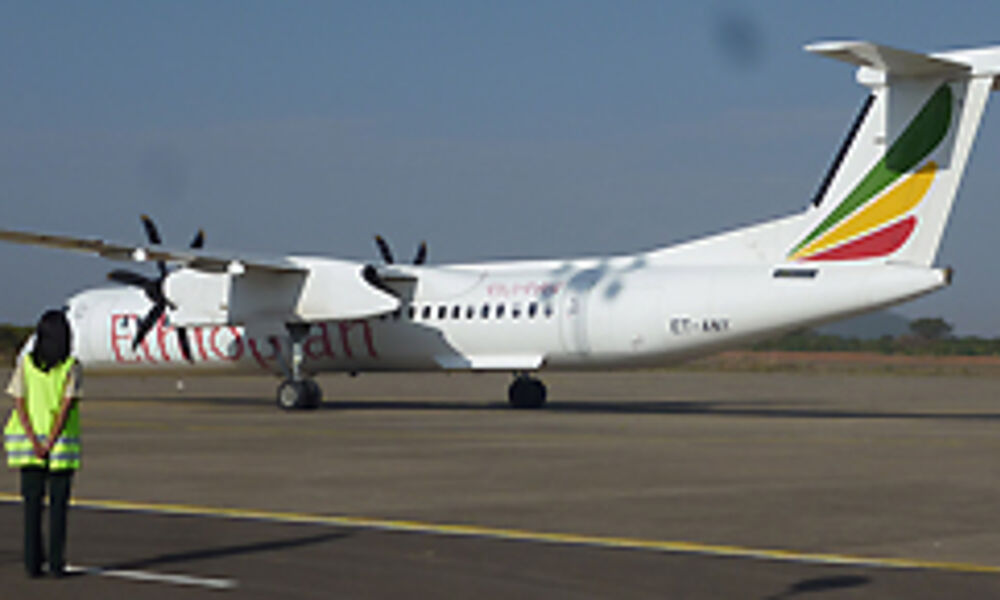
Ethiopian Airlines is the fastest growing airline in Africa and one of the most profitable airlines on the continent. Reason enough to chat with its CEO Tewolde Gebremariam about Africa's largest airline.
With numerous departures from Vienna and Frankfurt, for example, a large selection of African destinations can be reached via the Ethiopian Airlines hub in Addis Ababa. These include vacation destinations such as Zanzibar, Kilimanjaro, the Seychelles and many other exotic places on the Black Continent. "Africa is a challenging market for airlines. It is a difficult market environment with traffic restrictions, but also deficits in infrastructure, as well as much higher jet fuel prices than in the rest of the world. But we also benefit from the lack of transportation routes on the ground. People have to fly these long distances," explains Gebremariam in an interview with Connoisseur Circle.
It's hard to believe that one of the poorest countries in the world has one of the most modern airlines. But not only now, for example with the 13 Boeing 787 Dreamliners or four large Boeing 777-300ERs. In the early 1960s, Ethiopian Airlines was also one of the first airlines ever to set up a hub at its home airport. In addition, Ethiopian flies from Addis Ababa not only to Europe or within Africa, but also to Sao Paolo, Los Angeles, Tokyo, Shanghai, Toronto, Guangzhou and many other destinations. It has now developed into a global airline.
"Of course, we have set ourselves very high targets and we want to exceed them. Increasing sales, maintaining profitability and, of course, excellent service." With its Vision 2025 plan, Ethiopian has set itself the goal of being strategically well positioned as an aviation group with seven business units by this year. As an international airline, as a regional airline and also in the areas of cargo, maintenance, Aviation Academy, catering and ground services. Together, these units are expected to generate a turnover of ten billion US dollars by 2025.
It is logical that the Ethiopian fleet continues to grow at a rapid pace. A few years ago, Ethiopian operated 14 aircraft. Today there are 76, including 30 Boeing 787 and 777 wide-body aircraft. 42 more aircraft are currently on order, including 20 Boeing 737MAX 8s or 14 Airbus A350-900s and six more Boeing 787s. 140 aircraft are planned by 2025. The international network will also grow to more than 100 destinations - 18 million passengers will then be transported.
Kurt Hofmann





![[Translate to en:]](/fileadmin/_processed_/0/3/csm_Karibik_Kachel_Website_bd14d92320.png "[Translate to en:]")
![[Translate to en:]](/fileadmin/_processed_/d/c/csm_csm_Burj_Khalifa_6aa4204cda_c60dbba775.png "[Translate to en:]")

![[Translate to en:]](/fileadmin/_processed_/5/6/csm_2_prb23_0733_web_230fecf93e.jpg "[Translate to en:]")














































![[Translate to en:]](/fileadmin/_processed_/0/3/csm_Karibik_Kachel_Website_4fa96af5ad.png "[Translate to en:]")
![[Translate to en:]](/fileadmin/_processed_/d/c/csm_csm_Burj_Khalifa_6aa4204cda_6e24649320.png "[Translate to en:]")

![[Translate to en:]](/fileadmin/_processed_/5/6/csm_2_prb23_0733_web_8dbd0bd4df.jpg "[Translate to en:]")