


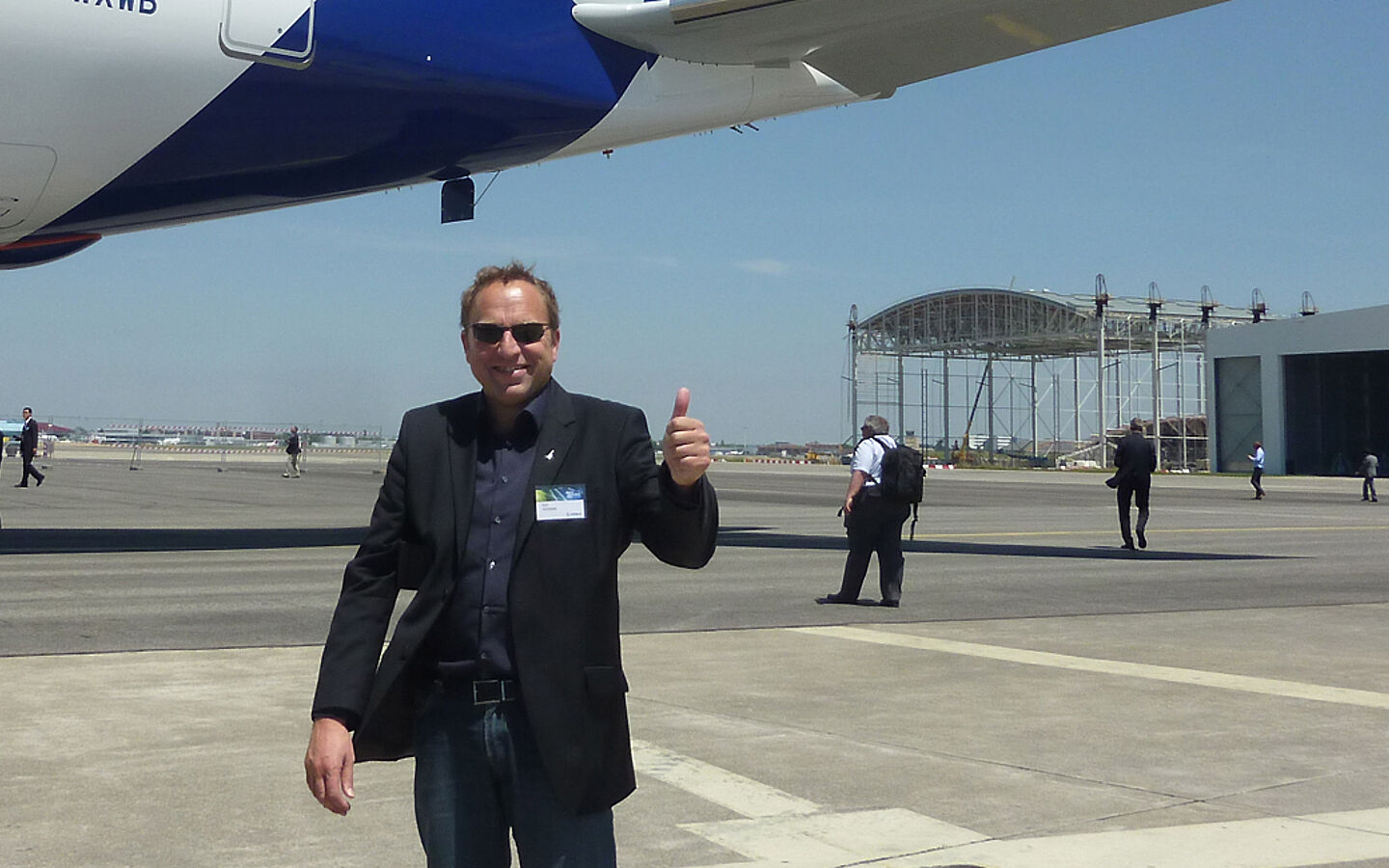
Iran Air endeavors to renew its fleet
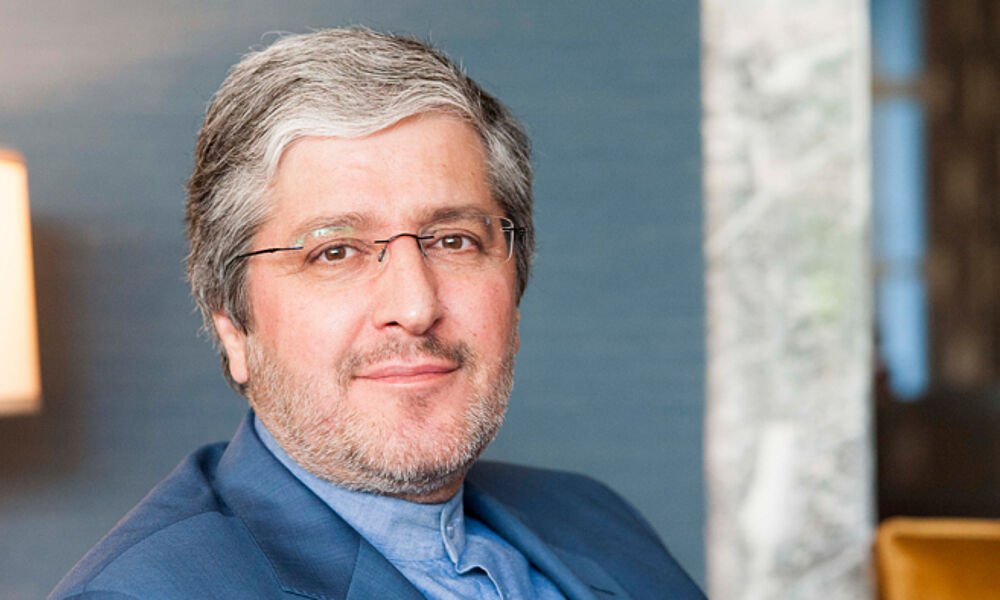
Farhad Parvaresh, Chairman and Managing Director of Iran Air, explains the challenge facing his airline in an exclusive interview with Connoisseur Circle.
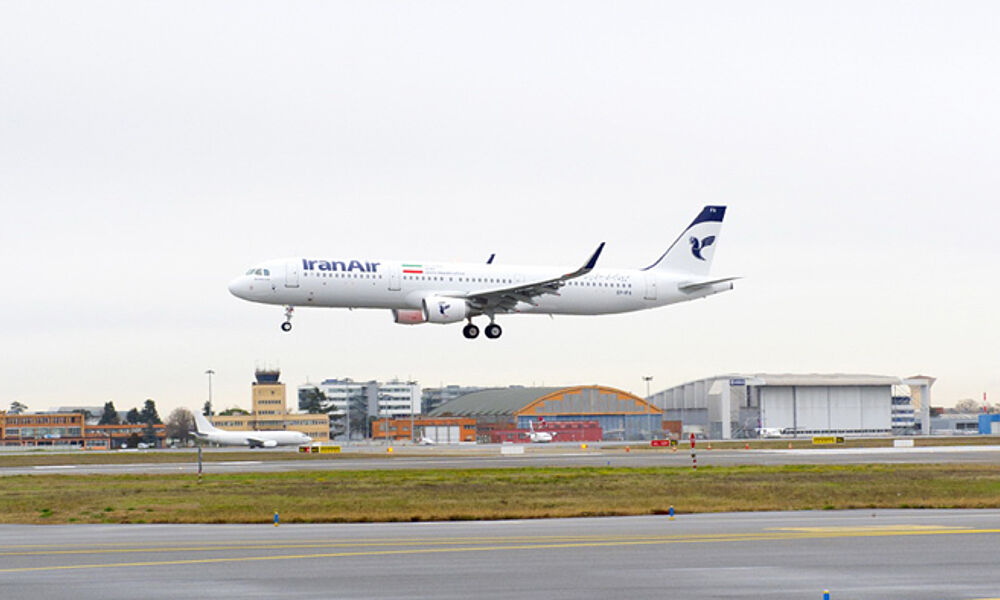
Iran Air has started taking delivery of new aircraft, Airbus A321, A330 and ATR turboprops, and is thus receiving new aircraft for the first time in decades. What does this mean for Iran Air?
For any airline worldwide, it is important to have access to enough aircraft to operate the business efficiently, stably and to the fullest satisfaction of the passengers. This is an absolute must. At the moment we have no information to the contrary that there will be any changes or delays in further aircraft deliveries.
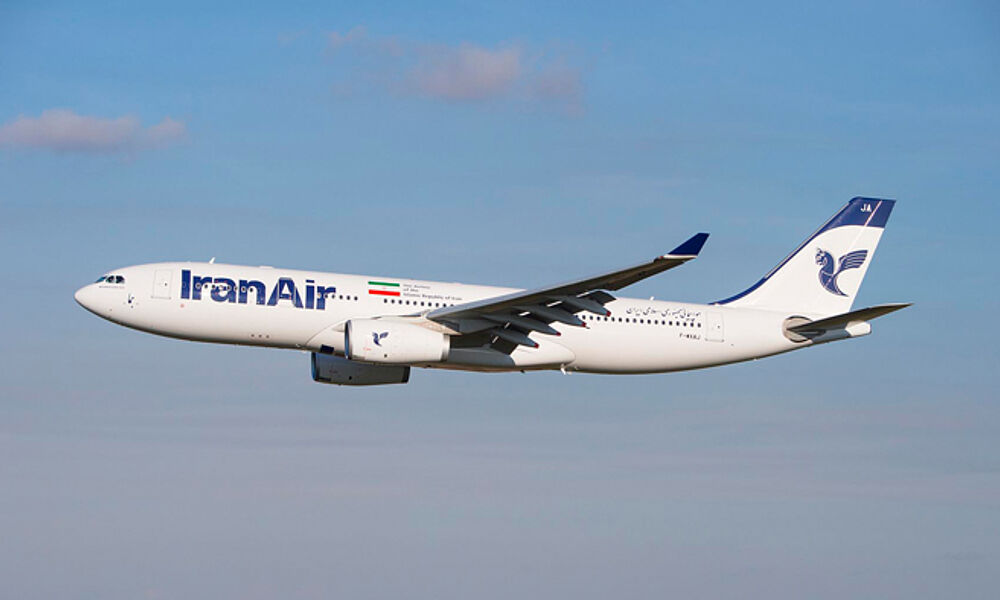
How could Iran Air actually maintain its Boeing and Airbus fleet despite the sanctions imposed, and thus no access to spare parts?
Where there's a will, there's a way. But such an undertaking is of course very expensive, but it was feasible. That's why the influx of new aircraft is so important for Iran Air. Our current purchase plan includes around 200 aircraft from Boeing, Airbus and ATR turboprops. In the future, even more orders may be possible.
What are the other details of the ordered fleet? Two more A320s are due to be delivered this year?
100 Airbus aircraft, 80 from Boeing and 20 from ATR. Our first Boeing 777-300ER, which will come to us in April, will be used on routes to the Far East, such as to Beijing.
East, such as to Beijing.
Could Tehran become a hub for the region?
With an ambitious expansion plan for Tehran Imam Khomeini International Airport and the construction of new transit facilities, the chances of Tehran becoming a hub are increasing. Geographically, Tehran is a better alternative as a hub, especially for flights from Europe to the Far East, for economic reasons, especially in terms of operating costs.



![[Translate to en:]](/fileadmin/_processed_/0/3/csm_Karibik_Kachel_Website_bd14d92320.png "[Translate to en:]")
![[Translate to en:]](/fileadmin/_processed_/d/c/csm_csm_Burj_Khalifa_6aa4204cda_c60dbba775.png "[Translate to en:]")

![[Translate to en:]](/fileadmin/_processed_/5/6/csm_2_prb23_0733_web_230fecf93e.jpg "[Translate to en:]")











































![[Translate to en:]](/fileadmin/_processed_/0/3/csm_Karibik_Kachel_Website_4fa96af5ad.png "[Translate to en:]")
![[Translate to en:]](/fileadmin/_processed_/d/c/csm_csm_Burj_Khalifa_6aa4204cda_6e24649320.png "[Translate to en:]")
![[Translate to en:]](/fileadmin/_processed_/5/6/csm_2_prb23_0733_web_8dbd0bd4df.jpg "[Translate to en:]")