


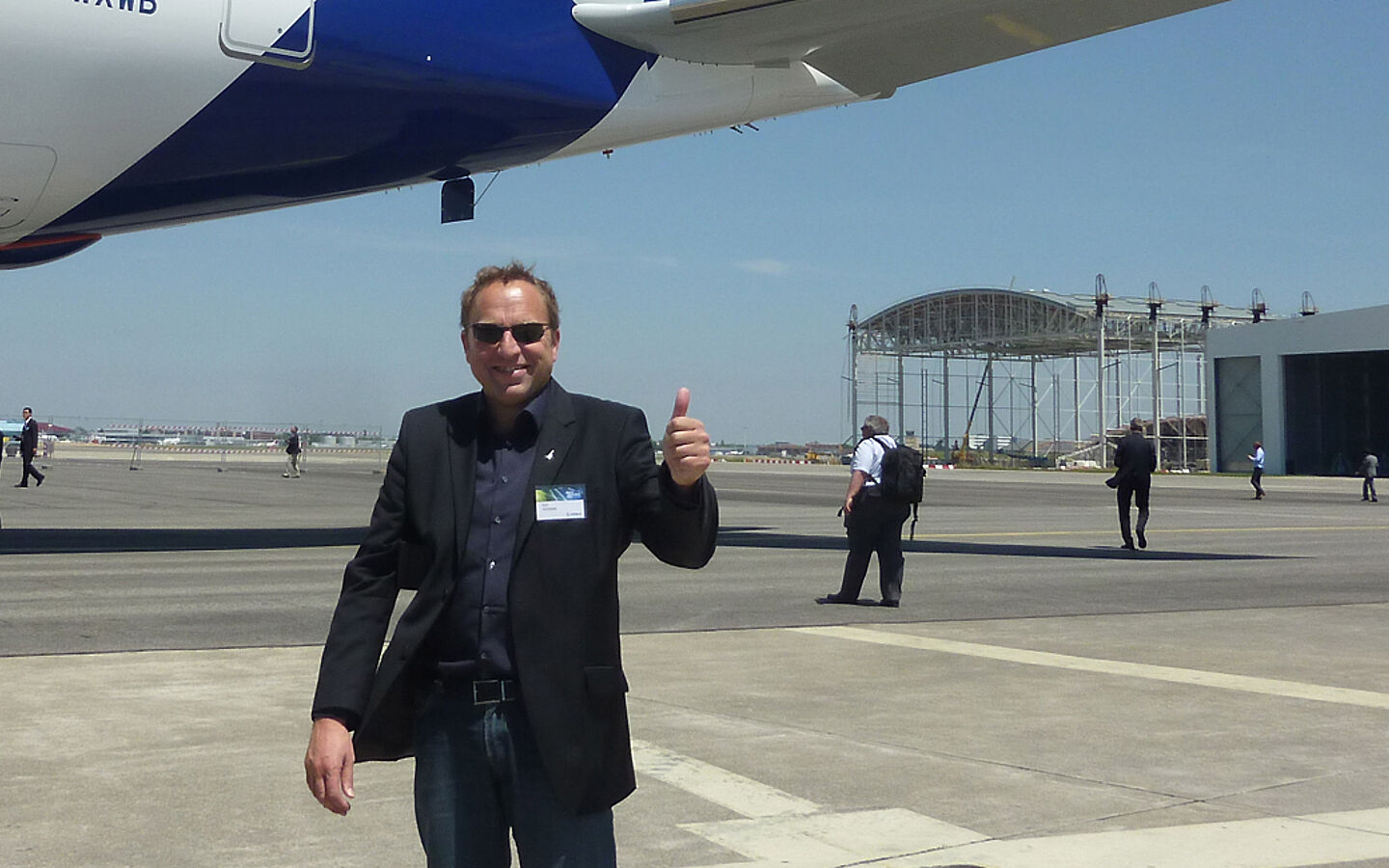
Flying in China
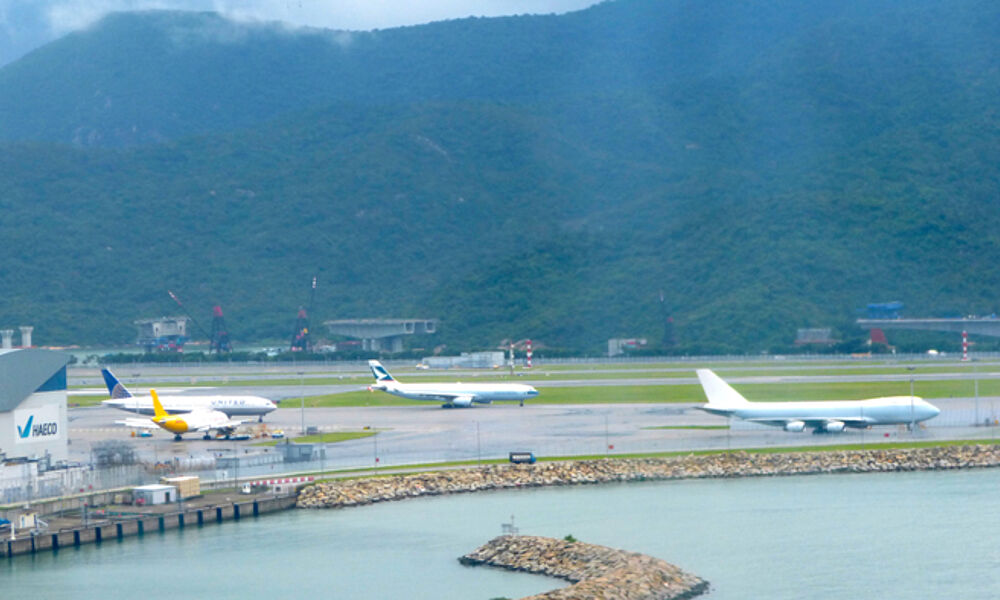
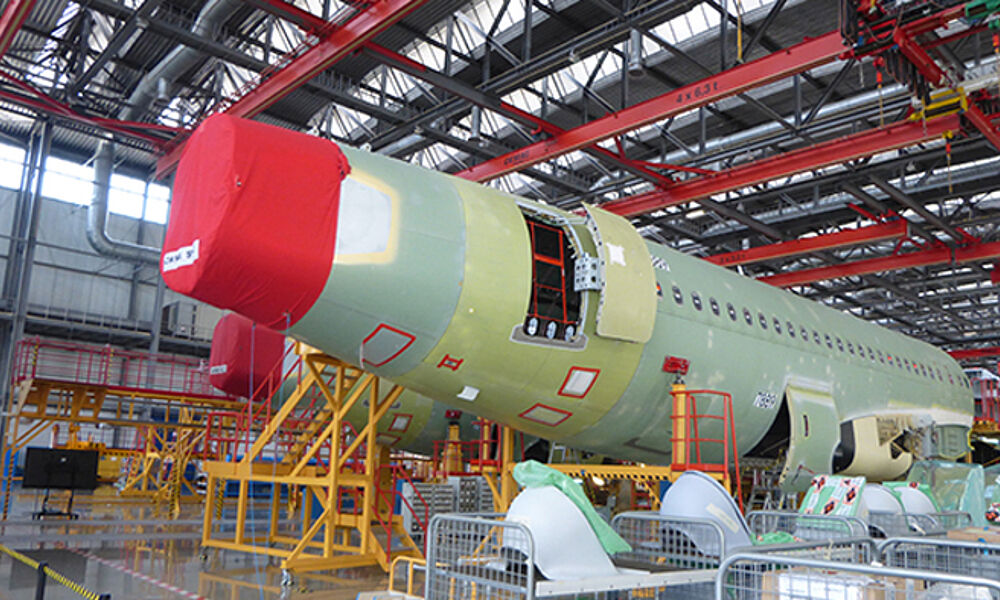
A recent visit to China once again demonstrated how modern the local airlines' aircraft fleets have become
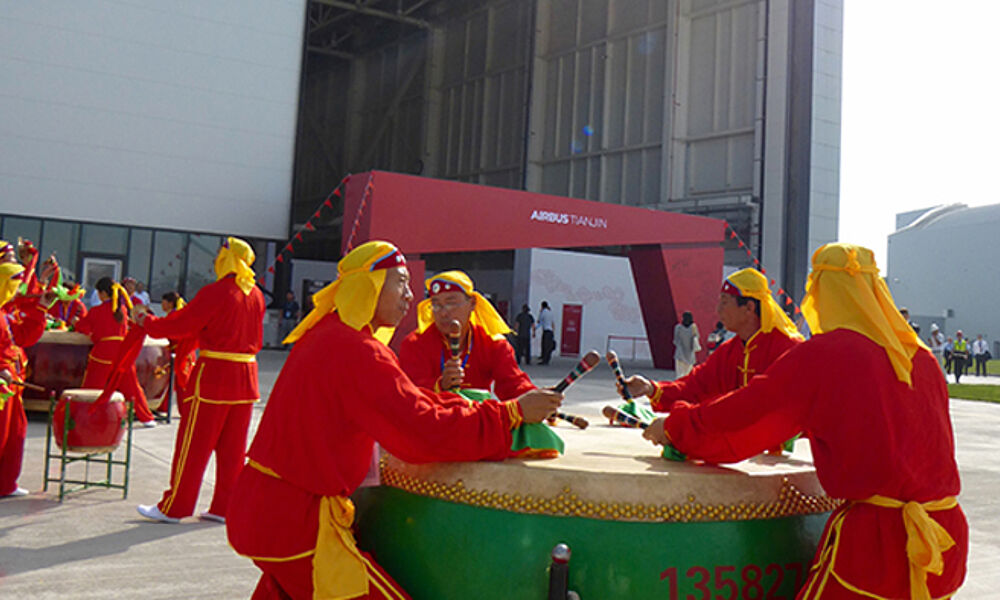
China is still the second largest market in the airline business after the USA. But this will soon change. Growth rates in China are above the global average and the annual increase in passengers will be 6.9 percent over the next 20 years. The demand for aircraft and new airports is therefore enormous. There are currently 1,400 Airbus aircraft flying with 28 Chinese airlines. In 2016, Airbus delivered a total of 153 aircraft to China, which corresponds to around 22 percent of total global Airbus production. "I believe this figure will rise to 2,000 aircraft in 2020. Our market share in China is 52 percent compared to Boeing," explains Eric Chen, Airbus Commercial Aircraft China President & CEO. The average age of aircraft fleets in China is only 6.7 years. Specifically, six years for Airbus aircraft and 7.4 years for Boeing. Not surprisingly, Airbus operates a Final Assembly Line (FAL), i.e. a production facility for its best-selling Airbus A320 in Tianjin. Airbus has been delivering A319 and A320 aircraft from there since 2009. The impressive production facility is a joint venture between Airbus and a Chinese consortium. Incidentally, Airbus delivered the first aircraft to China in 1985, an Airbus A310 for China Eastern Airlines. In 2013, number 1,000 was delivered to the Middle Kingdom. Even if Airbus is very successful, one question remains: how can it be that little Dubai will soon have 100 Airbus A380 aircraft in operation with Emriates Airline, the largest commercial aircraft in the world, and only five A380s have been sold to the huge country of China so far, to China Southern Airlines? Chen is aware of this and estimates the demand for the A380 in China to be between 60 and 100 aircraft in the coming years. The number of passengers would certainly be available in China.



![[Translate to en:]](/fileadmin/_processed_/0/3/csm_Karibik_Kachel_Website_bd14d92320.png "[Translate to en:]")
![[Translate to en:]](/fileadmin/_processed_/d/c/csm_csm_Burj_Khalifa_6aa4204cda_c60dbba775.png "[Translate to en:]")

![[Translate to en:]](/fileadmin/_processed_/5/6/csm_2_prb23_0733_web_230fecf93e.jpg "[Translate to en:]")














































![[Translate to en:]](/fileadmin/_processed_/0/3/csm_Karibik_Kachel_Website_4fa96af5ad.png "[Translate to en:]")
![[Translate to en:]](/fileadmin/_processed_/d/c/csm_csm_Burj_Khalifa_6aa4204cda_6e24649320.png "[Translate to en:]")
![[Translate to en:]](/fileadmin/_processed_/5/6/csm_2_prb23_0733_web_8dbd0bd4df.jpg "[Translate to en:]")