


"We have a responsibility for sustainability"
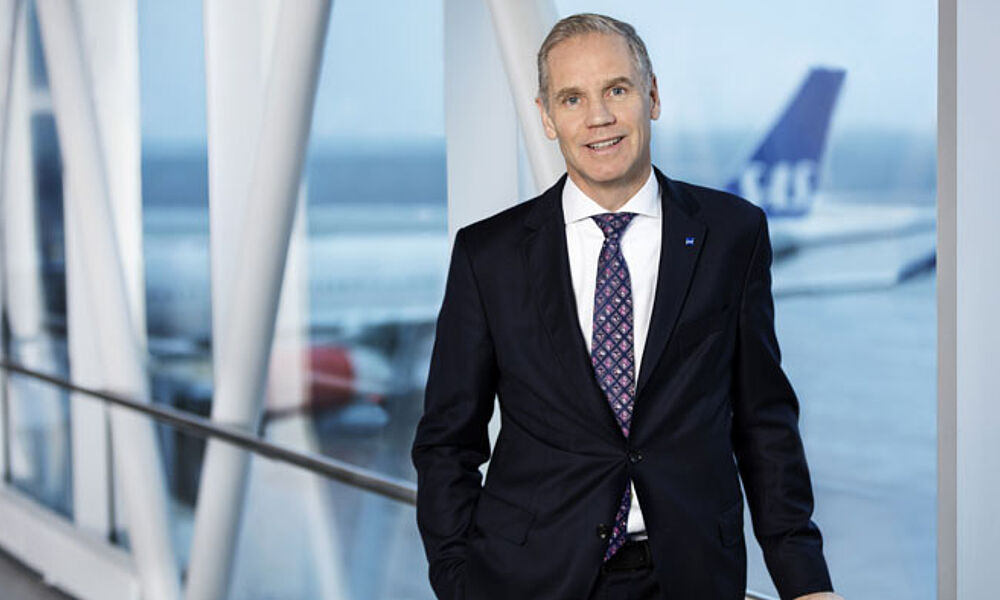

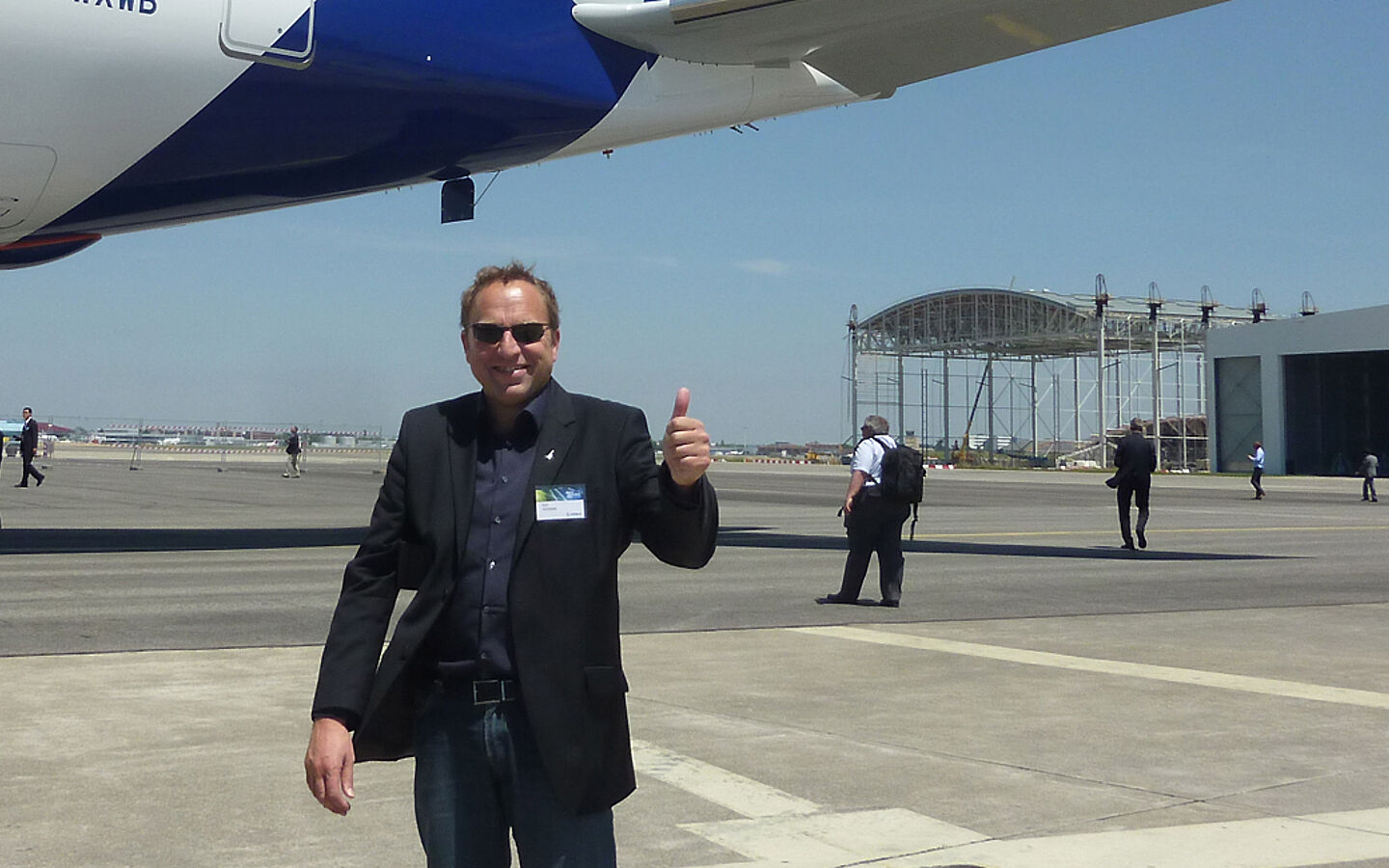
SAS Scandinavian Airlines Group President & CEO Rickard Gustafson spoke to Connoisseur Circle aviation expert Kurt Hofmann about a particular challenge: more and more Swedes have a guilty conscience when they take the plane.
The issue of flight shame is a hot topic, especially in Sweden. How much does this debate affect your business?
Gustafson: Yes, it's true that a heated debate has started in Sweden about avoiding flying. I think it's very important that aviation as an industry now stands up and engages with the population on this. Yes, sustainability is a real challenge. But the answer is: don't stop flying! Because if we stop flying, society will collapse. Aviation has an enormous responsibility when it comes to sustainability. We at SAS are working hard to take up this challenge to ensure that we significantly reduce our emissions here and now.
We are actively seeking to produce biofuels on a large scale in our home markets. And we are focusing on collaborations such as with Airbus to develop next generation aircraft.
We are also working on an agenda over the next few years to achieve the long-term goal of zero-emission aviation.
But all this takes time. People want to see results quickly ...
That's why it's not possible to name a fixed long-term goal now. For example, IATA's CORSIA (Carbon Offsetting and Reduction Scheme for International Aviation) project, which initially aims to make further growth in the industry emission-neutral by 2020, which is good. This will be followed by a 50 percent reduction in emissions by 2050, but that is too far away. We need to demonstrate projects now. And that's why our agenda is extensive. We are fully aware of the need to reduce emissions. But it will take some time before we reach zero percent emissions.
Do you think that the debate about flight shame is growing and having a negative impact on demand in aviation?
Yes, if we do nothing, it will happen. And in Sweden, where this debate is very heated, domestic travel has already fallen by five percent. Of course, this climate debate is a key driver. I am absolutely certain of that.
What is the plan for your environmentally friendly fleet?
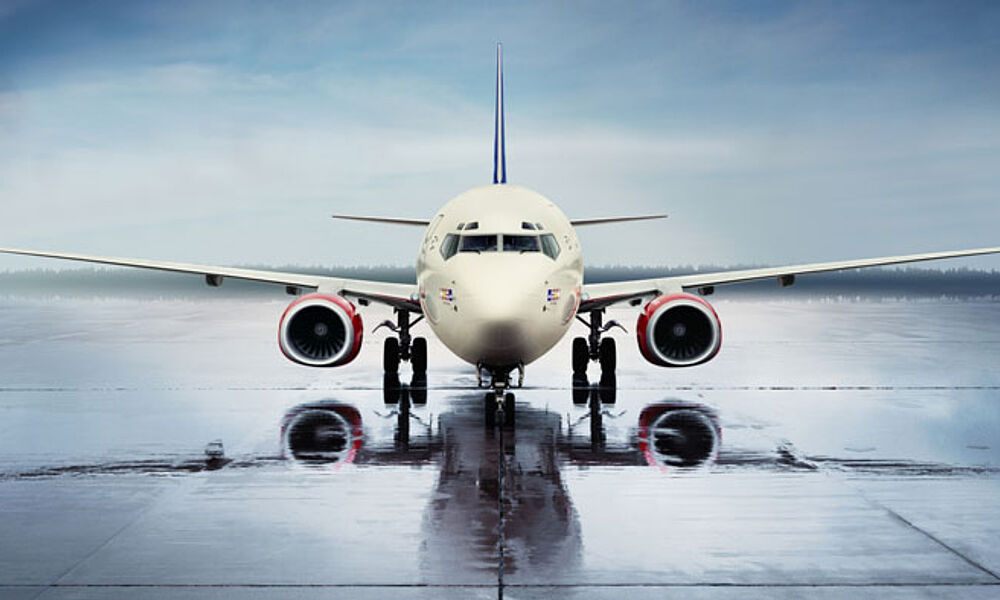
Airbus A320neo aircraft will continue to be delivered to SAS over the next few years. Our first Airbus A350 will arrive in December and will then replace the A340. Three Airbus A321LRs will follow in 2020 and we see three strategic areas for this aircraft. Firstly, new destinations that we do not currently operate. For example, from Copenhagen to Montreal or Toronto. Then to connect current destinations with a secondary city in Scandinavia, for example Bergen-New York. And thirdly, there are cities that we would like to serve all year round, but the seasonality does not allow us to use a wide-body aircraft for this. Boston is a prime example of this. If the tests with the three A321LRs are positive, you will certainly see more A321LRs with us.
SAS had to cancel around 4,000 flights during a pilot strike in the spring. Can you put a figure on the damage to its image?
It's difficult to put a financial figure on the damage to our image, but we know that the strike cost us 650 million crowns (61 million euros). And of course it has left a negative image among our passengers. Almost 370,000 customers did not reach their destination with us because we did not keep our promise. And we are doing everything we can to rebuild trust. The good thing is that booking levels are back to normal. I think we can now put the strike behind us and look to the future. But we have to continue to transform our company to create competitiveness.
Do you need to expand cost savings?
Yes, I think so. We will provide more details. We can see that airlines all over Europe are struggling to be competitive and that some airlines have gone bankrupt in the last year or two. And in order to remain competitive, we have to continue to change. The strike was the worst thing that could have happened to us.
could happen to us. But now there is peace.
The biggest challenge for SAS?
First and foremost, we are struggling with a very weak Swedish krona against the US dollar. This is hurting our finances. But the big challenge is that we have to explain intensively to the population that SAS is developing into a sustainable airline. We take this very seriously, perhaps even more so than most other airlines.
airlines. So we have a head start on this issue.



![[Translate to en:]](/fileadmin/_processed_/0/3/csm_Karibik_Kachel_Website_bd14d92320.png "[Translate to en:]")
![[Translate to en:]](/fileadmin/_processed_/d/c/csm_csm_Burj_Khalifa_6aa4204cda_c60dbba775.png "[Translate to en:]")

![[Translate to en:]](/fileadmin/_processed_/5/6/csm_2_prb23_0733_web_230fecf93e.jpg "[Translate to en:]")












































![[Translate to en:]](/fileadmin/_processed_/0/3/csm_Karibik_Kachel_Website_4fa96af5ad.png "[Translate to en:]")
![[Translate to en:]](/fileadmin/_processed_/d/c/csm_csm_Burj_Khalifa_6aa4204cda_6e24649320.png "[Translate to en:]")
![[Translate to en:]](/fileadmin/_processed_/5/6/csm_2_prb23_0733_web_8dbd0bd4df.jpg "[Translate to en:]")