


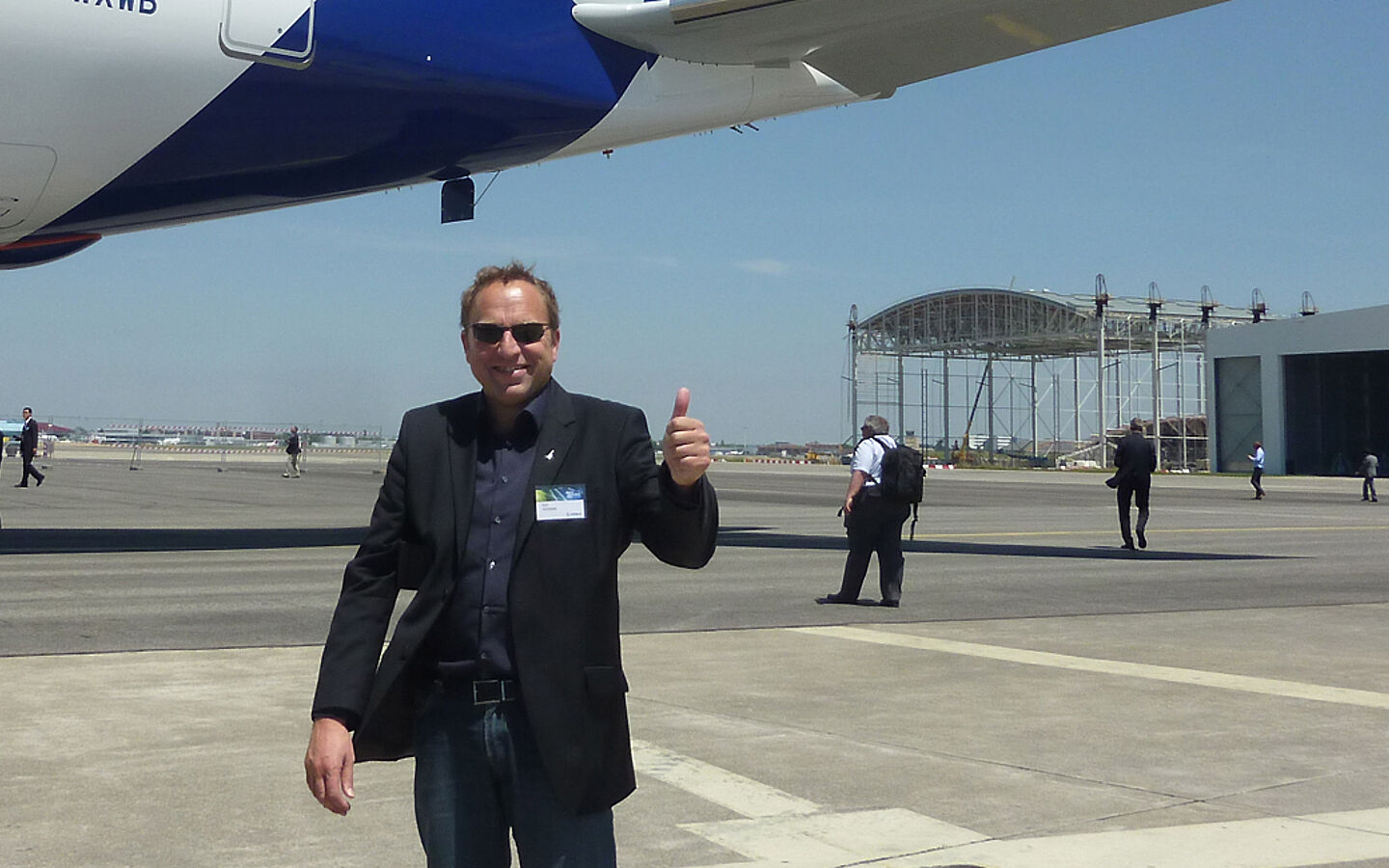
CEO Visit - Pekka Vauramo, Finnair 90 years of commercial flights

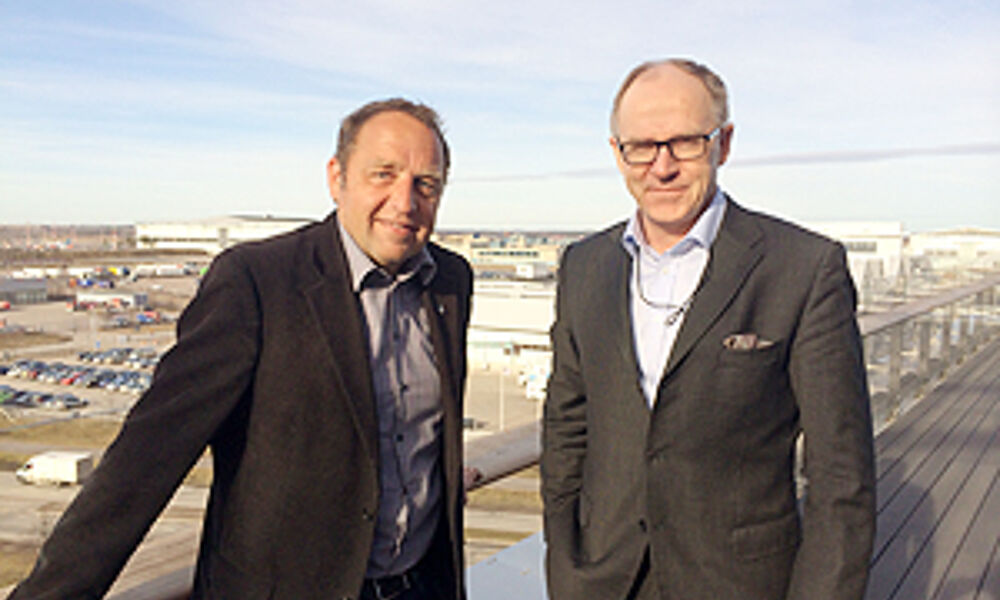
Finnair celebrated the 90th anniversary of its first commercial flight on March 20 in Helsinki together with the Finnish Airline Pilots' Association and the Finnish Aviation Museum. On March 20, 1924, a Junkers F13 D335 seaplane transported 162 kilograms of mail from Katajanokka in Helsinki to Tallinn in Estonia.
Reason enough to chat with Pekka Vauramo, CEO of Finnair since June 2013, one of the smallest national airlines in Europe, about the current state of affairs. For example, that a lot has happened in the restructuring of the company. "From 13,000 employees about six or seven years ago, we now have 6,000. Our cost-cutting program, which has been running since 2012, amounts to 200 million euros. We have already achieved 150 million." But the hardest part is yet to come, Vauramo said, the talks with the unions of pilots, cabin crew and some ground staff. Nevertheless, Finnair is transporting more passengers today than three years ago, and with nine fewer aircraft. "But there are no guarantees, our cost structure is still too high. I hope that our talks go well and that we can maintain the business model as Finnair is today with high standards". The company needs to become profitable and grow again, especially to Asia where Finnair sees opportunities. "But we did not make a profit last year, the last quarter of 2013 we made a loss of 31 million euros. Losses are unacceptable. And losses of this amount for an airline the size of Finnair are simply a lot." Even if Finnair is now in such a situation, it is important to grow, even if it is not currently profitable.
"But we are specialized in our niche. Our route network to Asia. The geographical advantage allows us to have each long-haul aircraft in the air 20 hours a day, due to the shorter distance to Asia." Despite the enormous competition, Vauramo is certain that Finnair still offers advantages. "Of course, the further south you fly from Europe to Asia or choose destinations in southern Asia, this advantage diminishes. Finnair is focusing on secondary destinations, such as Xian or Chongqing in China, or Hanoi in Vietnam. In China alone, we see potential for an additional 15 secondary destinations. Asia secures our future". And it is precisely because of this Asian business that Finnair is around five to ten times larger than Finland needs from an airline. "So, if we were an airline serving only Finland, we would have maybe ten destinations in Europe. Today, 1.8 million passengers of the more than nine million we carried last year were traveling on the Asian routes." Vauramo admits that this story, i.e. Finnair's product and specialization in flights to the Far East, still needs to become better known.
It goes without saying that Finnair must move with the market. "We are currently installing new lie-flat Business Class seats in our long-haul fleet. WIFI on board will be installed on new aircraft, for the existing fleet it is a question of cost/benefit calculation. Premium Economy Class is also being evaluated. But we are still in the process of clarifying the technical circumstances, perhaps it is just called "extra legroom". We still have to and will make decisions on this. And next year we will have the first Airbus A350 in operation," concludes the Finnair boss.
Kurt Hofmann




![[Translate to en:]](/fileadmin/_processed_/0/3/csm_Karibik_Kachel_Website_bd14d92320.png "[Translate to en:]")
![[Translate to en:]](/fileadmin/_processed_/d/c/csm_csm_Burj_Khalifa_6aa4204cda_c60dbba775.png "[Translate to en:]")

![[Translate to en:]](/fileadmin/_processed_/5/6/csm_2_prb23_0733_web_230fecf93e.jpg "[Translate to en:]")














































![[Translate to en:]](/fileadmin/_processed_/0/3/csm_Karibik_Kachel_Website_4fa96af5ad.png "[Translate to en:]")
![[Translate to en:]](/fileadmin/_processed_/d/c/csm_csm_Burj_Khalifa_6aa4204cda_6e24649320.png "[Translate to en:]")
![[Translate to en:]](/fileadmin/_processed_/5/6/csm_2_prb23_0733_web_8dbd0bd4df.jpg "[Translate to en:]")